
Deviated Septum Surgery
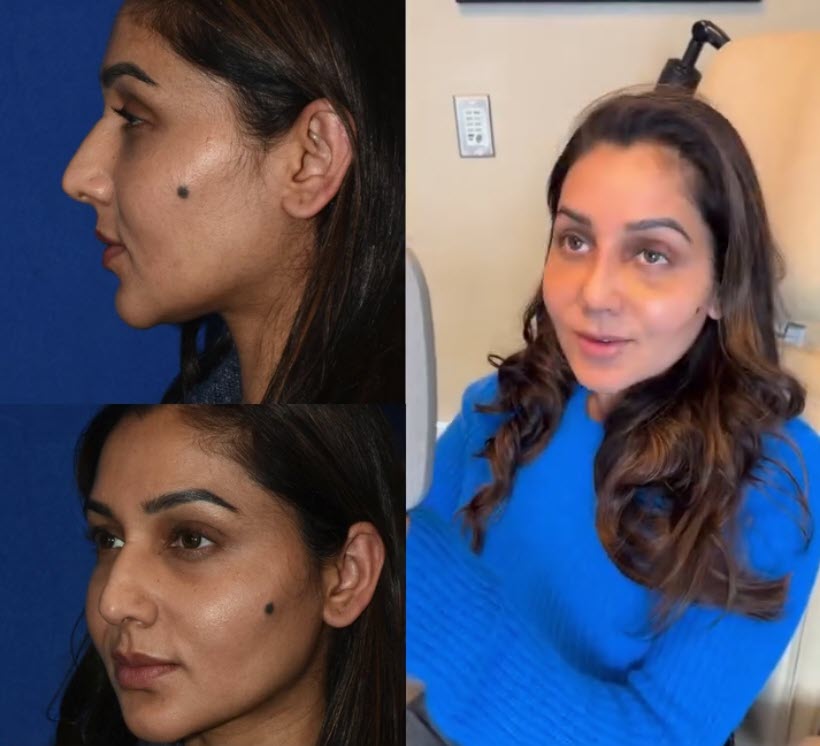
Meet our next patient, an inspiring woman who took the brave step to improve both her appearance and health. After years of struggling with nasal trauma, a deviated septum, and lifelong breathing issues, she decided to undergo rhinoplasty. Her goals were clear: reduce the dorsal hump, address the bulbous, droopy tip, and improve breathing function. This journey was not just about aesthetics but about restoring confidence and quality of life.
Her decision to repair the deviated septum means she can now breathe easier, while the refined nasal contour has given her a natural, balanced look that aligns with her vision of herself. It’s so empowering to see how these transformations impact both physical health and mental well-being! Her story is a reminder that sometimes, taking the step toward self-care can lead to amazing changes.
.
A deviated septum occurs when the thin wall between your nostrils, known as the septum, is displaced to one side. This can make one nasal passage smaller, causing difficulty breathing, snoring, or recurring sinus infections. In some cases, surgery is required to correct the issue, a procedure known as a septoplasty.
If you or someone you know is experiencing symptoms of a deviated septum, it’s important to understand the causes, symptoms, and treatment options available. This article will guide you through everything you need to know about deviated septum surgery, with expert insights from renowned surgeons like Dr. William Portuese and Dr. Joseph Shvidler.
What Causes a Deviated Septum?
A deviated septum can be caused by several factors. It’s important to understand the root cause of the condition to determine the best course of action for treatment.
- Injury: Trauma to the nose can cause the septum to shift or become misaligned. This can happen during a sports injury, car accident, or any physical impact to the face.
- Congenital: Some people are born with a deviated septum due to the way their nasal passages developed in the womb.
- Aging: As we age, the cartilage in the nose can shift or weaken, potentially leading to a deviated septum.
In many cases, the condition is present from birth but may not cause symptoms until later in life.
Symptoms of a Deviated Septum
People with a deviated septum may experience a range of symptoms that can interfere with daily life. These include:
- Difficulty breathing through one or both nostrils
- Frequent sinus infections or nasal congestion
- Chronic nosebleeds due to the dryness in one nostril
- Snoring or sleep apnea caused by restricted airflow
- Facial pain or pressure, especially around the nose and forehead
If you notice any of these symptoms, it might be time to consult with a qualified surgeon like Dr. William Portuese or Dr. Joseph Shvidler to assess the severity of your deviated septum.
When to See a Doctor
If you experience any of the symptoms listed above, it’s essential to seek medical advice. It’s especially important to see a doctor if you:
- Have difficulty breathing through your nose or experience frequent congestion.
- Are prone to recurrent sinus infections that don’t seem to resolve with over-the-counter treatments.
- Experience chronic snoring or sleep disruptions that affect your quality of life.
- Have facial pain or pressure that doesn’t improve with typical treatments.
A thorough consultation with an experienced surgeon can help determine whether septoplasty is necessary to alleviate your symptoms.
How to Tell If You Have a Deviated Septum
To determine whether you have a deviated septum, your doctor will likely perform a physical examination and may order imaging tests such as a CT scan or nasal endoscopy to assess the septum’s alignment. During this process, the doctor will check for:
- Asymmetry between the two nasal passages
- Obstructions or blockages caused by the deviated septum
- Signs of sinus infection or other related conditions
If your symptoms align with those of a deviated septum, the doctor will discuss treatment options, which may include non-surgical methods or surgery.
Risk Factors for a Deviated Septum
While anyone can develop a deviated septum, certain factors may increase the risk:
- Previous trauma: A history of nasal injuries or surgery can increase the likelihood of a deviated septum.
- Genetics: If a family member has a deviated septum, you may be more likely to develop one as well.
- Environmental factors: Chronic sinus infections, allergies, and other nasal conditions can exacerbate the symptoms of a deviated septum.
Being aware of these risk factors can help you take early steps to manage or prevent complications.
What Are the Complications of Nasal Septum Deviation?
If left untreated, a deviated septum can lead to a variety of complications, including:
- Chronic sinus infections due to poor drainage of the sinuses
- Obstructed breathing, leading to problems with sleep and overall health
- Increased risk of snoring or sleep apnea, which can affect the quality of your rest
- Frequent nosebleeds due to dryness and irritation of the nasal passages
Addressing a deviated septum early can prevent these complications and improve overall health and quality of life.
Dr. William Portuese and Dr. Joseph Shvidler: Expertise in Deviated Septum Surgery
If you’re considering septoplasty for a deviated septum, consulting with experienced surgeons like Dr. William Portuese and Dr. Joseph Shvidler is key. Both doctors specialize in nasal surgery and have extensive experience in treating deviated septums, offering personalized care to each patient.
Dr. Portuese and Dr. Shvidler are known for their precision and attention to detail, ensuring that each patient receives the best possible outcome from their surgery. Whether you’re dealing with chronic sinus issues, breathing difficulties, or cosmetic concerns, their expertise can help you achieve both functional and aesthetic improvements.
What to Expect During Deviated Septum Surgery
Deviated septum surgery, known as septoplasty, is typically performed as an outpatient procedure. Here’s what to expect:
- Anesthesia: The procedure is usually done under general anesthesia to ensure the patient is comfortable throughout.
- Surgical Procedure: The surgeon will make an incision inside the nostril and reposition the septum, removing any obstructions.
- Recovery: After surgery, patients may experience swelling, bruising, and discomfort. Full recovery typically takes about 1-2 weeks, with most people resuming normal activities within a few days.
It’s essential to follow the surgeon’s post-operative care instructions for the best healing outcomes.
Conclusion
A deviated septum can cause a variety of symptoms that affect your health and quality of life. If you’re struggling with issues such as difficulty breathing, chronic sinus infections, or snoring, deviated septum surgery may be the solution you need.
Consulting with experienced surgeons like Dr. William Portuese and Dr. Joseph Shvidler can help you understand your treatment options and make an informed decision about your care. With their expertise, you can find relief and improve both your health and appearance.
For more information about deviated septum surgery, or to schedule a consultation, call 206-624-0349. Take the first step toward better breathing and improved quality of life today.